
Indoor farming
Bench-level stress diagnostics for controlled environments
CredoSense uses time-series monitoring to flag benches or zones that are drifting from expected crop- and stage-specific trajectories. It then confirms the most likely stress driver using targeted, high-information diagnostics that combine leaf-level physiology and optical indicators with indoor microclimate measurements and root-zone state, including moisture, electrical conductivity, temperature, and pH. Bio-threat indicators, including airborne fungal pressure and leaf-wetness conditions, are incorporated to distinguish biological pressure from physical constraints and to translate early deviation detection into actionable recommendations for each bench or zone.
Time-series monitoring
Detect bench-level deviations using time-series data
We use time-series measurements to identify benches or zones that are trending away from expected behavior for the crop and growth stage. This allows early detection of stress before it becomes visible or widespread.
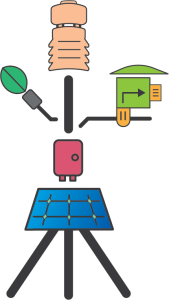
Environmental & pathogenic context
Integrate microclimate with disease risk signals
We track key environmental conditions that influence crop performance and disease risk, including temperature, humidity, airflow, and leaf wetness, interpreted in the context of facility settings and short-range forecasts. Fungal spore monitoring adds direct evidence of airborne fungal pressure to strengthen early risk detection and stress attribution.
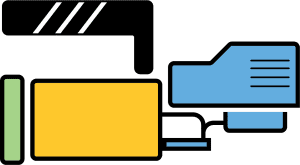
Leaf-level analysis
Confirm the stress driver using crop physiology
Our leaf chamber system delivers rapid, repeatable leaf-level physiology and optical measurements that help identify the primary constraint, including water uptake and delivery limitations, thermal or light stress, nutrient imbalance, and biological pressure. Measurements are collected only in the benches or zones flagged in Step 1 to keep scouting effort low while improving diagnostic confidence.
Stress identification & Recommendations
AI-powered stress attribution and recommendations
Our agronomic AI agent attributes stress and generates recommendations by combining convergent evidence from crop response, environmental conditions, and biological threat signals. Physical stress is indicated when physiological responses align with microclimate and root-zone conditions, while biological stress is indicated when bio-threat evidence and compatible environmental windows match the observed crop response. Based on the primary stress driver, the AI agent delivers actionable agronomic recommendations.

Why our approach works
Most crop stress signals are hard to interpret on their own, and different problems can look the same in the field. CredoSense reduces guesswork by combining early screening with targeted, high-information diagnostics that confirm the primary stress driver using evidence from crop response, environmental conditions, and biological threat signals. The workflow is explainable at the decision level and intentionally conservative when signals disagree, prioritizing actionable recommendations and clear next steps over single-sensor, black-box predictions.
Want to see the workflow for your facility ?
Tell us your crop, growing system, and monitoring setup. We will show how CredoSense diagnostic system fits your operations.