
Outdoor farming
From early signals to field-ready prescriptions
CredoSense combines satellite and radar-based monitoring with in-field microclimate, soil, and fungal spore intelligence, then confirms the stress driver using leaf-level physiology. The result is a practical workflow that tells you where to look, what is happening, and what action to take.
Satellite & Radar-based monitoring
Monitor the field and flag stressed grids
Satellite and radar signals are fused into a grid-level crop and soil health product that detects early deviations. This stage is designed to focus scouting and measurements on the zones that most need attention, rather than requiring blanket sampling across the entire field.
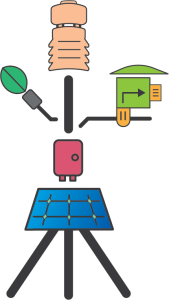
Environmental & pathogenic context
Integrate microclimate with disease risk signals
Once a grid is flagged, CredoSense integrates the environmental drivers that shape crop stress and disease risk. A weather station captures solar radiation, wind, relative humidity, air temperature, barometric pressure, and leaf wetness. Soil sensors capture soil moisture, temperature, electrical conductivity, and pH. A fungal spore counter provides direct evidence of airborne fungal pressure, sampled multiple times daily. Weather forecasts are also used for decision timing.
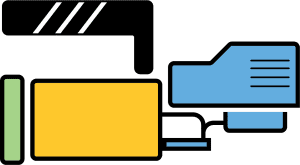
Leaf-level measurement
Confirm the stress driver using crop physiology
CredoSense then guides targeted measurements in the flagged grid using the leaf chamber system. By measuring leaf-level physiology and complementary optical and chemical indicators across multiple plants, the system distinguishes stress response signatures and strengthens confidence in the primary constraint affecting performance.

Stress identification & Recommendations
AI-powered stress attribution and recommendations
The CredoSense agronomic AI agent combines convergent evidence from soil and microclimate, plant physiology, leaf optics and chemistry, and biological threat signals to identify the primary stress driver. Physical stress is supported when crop responses are consistent with soil water status and microclimate conditions, while biological stress is supported when bio-threat evidence and compatible microclimate windows align with crop response patterns that cannot be explained by environment alone. When signals are mixed, the system narrows the most likely stress classes and guides the next best measurement, then delivers actionable agronomic recommendations based on the primary driver.
Why our approach works
CredoSense works because early stress often looks the same across many causes, and scouting everywhere is expensive and slow. We first use satellite and radar screening to pinpoint the specific field grids that are starting to deviate, then confirm what is driving the problem with targeted in-field diagnostics that combine microclimate and soil conditions, airborne fungal pressure, and leaf-level crop measurements. Our agronomic AI agent brings these signals together to identify the primary stress driver and delivers clear, actionable recommendations for irrigation, nutrition, and crop protection, helping growers act earlier with more confidence and fewer unnecessary interventions.
Want to see it on your farm?
Share your crop and region and we will show how the outdoor workflow fits your scouting and decision process.